

Introduction
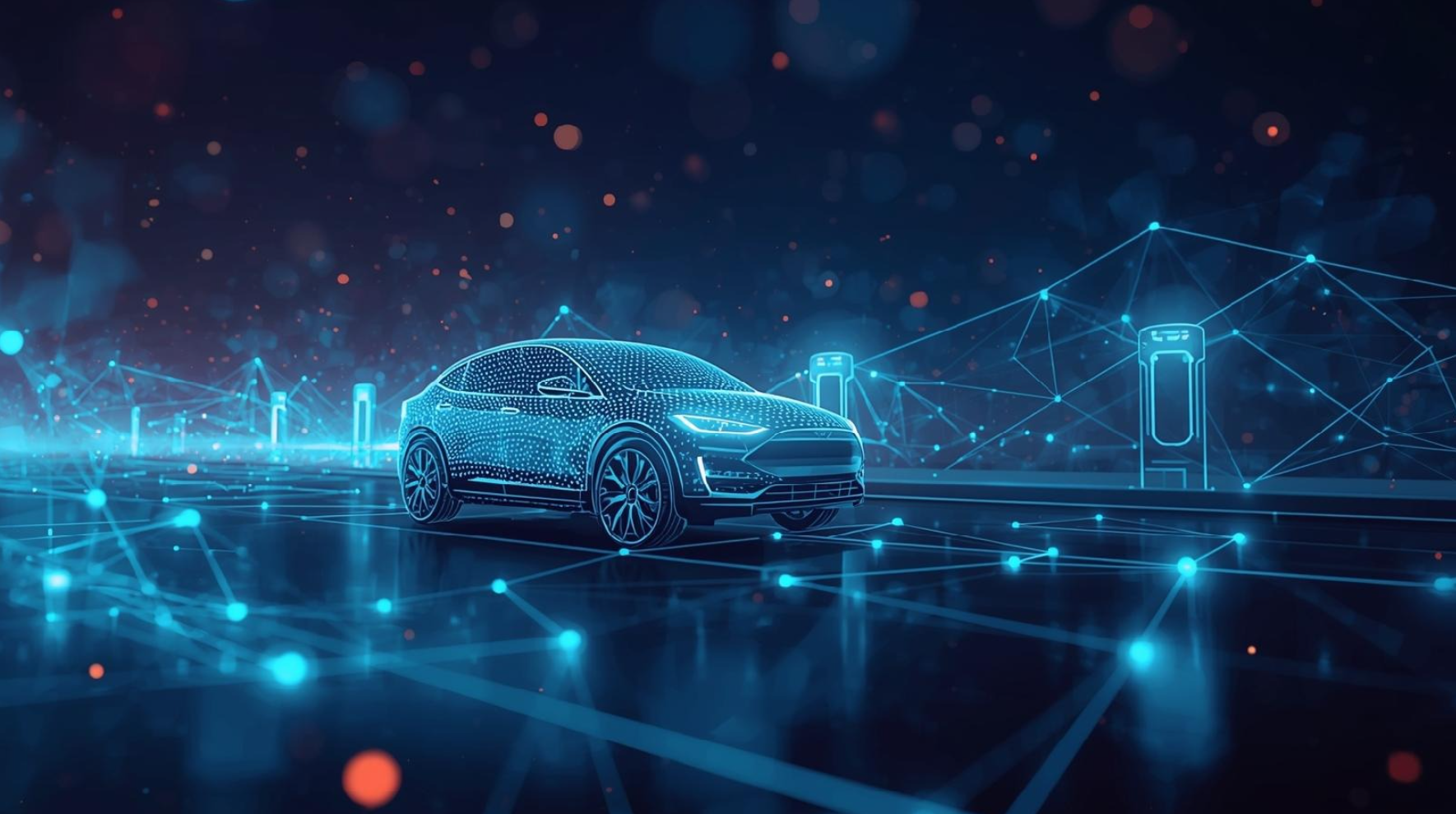
The automotive industry is undergoing a fundamental transformation, driven by smart technology and electric vehicles (EVs). Together, they are redefining global mobility, enhancing safety, sustainability, and efficiency, while shaping the future of urban transportation.
This article explores how smart technologies and EVs are revolutionizing mobility, the innovations involved, benefits, challenges, and trends influencing the transportation landscape.
The Rise of Electric Vehicles
Electric vehicles are changing how we think about mobility, reducing dependence on fossil fuels and minimizing environmental impact.
Key Advancements
-
Battery Technology: Long-range lithium-ion and solid-state batteries improve energy density and driving range
-
Charging Infrastructure: Rapid charging stations and wireless charging enable convenience and accessibility
-
Government Incentives: Subsidies, tax breaks, and EV-friendly policies accelerate adoption
-
Vehicle Variety: From electric cars and buses to trucks and two-wheelers, EVs are expanding across mobility sectors
Impact: EVs reduce greenhouse gas emissions, lower operational costs, and contribute to a cleaner environment.
Smart Technology in Vehicles
Smart technology is integrated into EVs to enhance performance, safety, and user experience.
Key Components
-
Advanced Driver Assistance Systems (ADAS): Features like lane-keeping, adaptive cruise control, and automated braking
-
Autonomous Driving: AI-driven self-driving systems improve safety and efficiency
-
Vehicle-to-Everything (V2X) Communication: Vehicles communicate with infrastructure, other cars, and devices for optimized traffic flow
-
Predictive Maintenance: Sensors and AI monitor vehicle health and prevent breakdowns
Impact: Smart technology increases convenience, reduces accidents, and optimizes vehicle performance.
Integration of AI in Mobility
Artificial Intelligence (AI) plays a critical role in enhancing driving experiences and transportation systems.
Applications
-
Route Optimization: AI calculates efficient routes to minimize travel time and energy consumption
-
Traffic Prediction: AI analyzes real-time data to prevent congestion
-
Energy Management: AI manages battery usage and charging schedules for optimal efficiency
-
Personalized Driving Experience: AI adjusts vehicle settings to driver preferences and habits
Example: Tesla’s AI-driven Autopilot system continuously learns from millions of miles to improve autonomous driving capabilities.
Sustainability and Environmental Impact
EVs and smart mobility solutions contribute significantly to environmental sustainability.
Key Benefits
-
Reduced Emissions: EVs produce zero tailpipe emissions, mitigating air pollution
-
Energy Efficiency: Electric drivetrains convert more energy into motion compared to internal combustion engines
-
Integration with Renewable Energy: EV charging powered by solar and wind energy reduces carbon footprint
-
Smart City Mobility: Connected EVs optimize traffic flow, reducing fuel consumption and urban congestion
Impact: Smart EV adoption is pivotal in creating sustainable and eco-friendly urban environments.
Transforming Urban Mobility
Smart EV technologies are reshaping urban transportation and enhancing citizen mobility.
Key Trends
-
Shared Mobility Services: Electric ride-hailing, car-sharing, and micro-mobility solutions
-
Smart Traffic Management: AI-powered traffic lights and predictive analytics reduce congestion
-
Last-Mile Delivery Solutions: Electric bikes, scooters, and autonomous delivery vehicles optimize logistics
-
Connected Public Transportation: Smart buses and trams improve scheduling, efficiency, and accessibility
Impact: Urban mobility becomes more efficient, accessible, and environmentally friendly.
Challenges in Adoption
Despite rapid advancements, EVs and smart mobility face practical and regulatory hurdles.
Key Challenges
-
Infrastructure Limitations: Insufficient charging networks in some regions
-
High Upfront Costs: EVs can be more expensive than traditional vehicles
-
Battery Recycling and Sustainability: Managing battery disposal and environmental impact
-
Regulatory and Safety Standards: Autonomous vehicles require robust regulations and safety frameworks
Impact: Addressing these challenges is essential to ensure widespread adoption and sustainable growth.
The Role of Smart Cities
Smart cities integrate EVs and intelligent transportation systems to optimize urban mobility.
Applications
-
IoT-Connected Infrastructure: Sensors and data collection improve traffic flow and road safety
-
Integrated Mobility Platforms: Apps enable seamless multi-modal transport, combining EVs, public transit, and shared mobility
-
Energy Optimization: Smart grids manage EV charging and renewable energy distribution
-
Urban Planning: Data-driven planning supports sustainable and efficient urban mobility
Impact: Smart city initiatives maximize the benefits of EVs and smart mobility, enhancing quality of life.
Future Trends in Global Mobility
The next decade promises even greater transformations in mobility.
Key Predictions
-
Widespread Autonomous EVs: Self-driving electric vehicles in commercial and personal use
-
Next-Gen Battery Technologies: Faster charging, longer ranges, and eco-friendly production
-
AI-Driven Transportation Systems: Fully optimized traffic, predictive maintenance, and intelligent fleet management
-
Integration with Renewable Energy: EVs and smart grids powering sustainable energy ecosystems
Impact: Mobility will be safer, smarter, greener, and more connected, creating a new era of transportation.
Conclusion
Smart technologies and electric vehicles are revolutionizing global mobility, offering sustainable, efficient, and user-centric transportation solutions. From AI-powered autonomous systems to renewable energy integration and smart urban planning, these innovations reshape how people and goods move worldwide.
By overcoming challenges related to infrastructure, costs, and regulation, smart EV adoption can create a cleaner, safer, and more connected future, transforming global mobility for generations to come.
