
Introduction
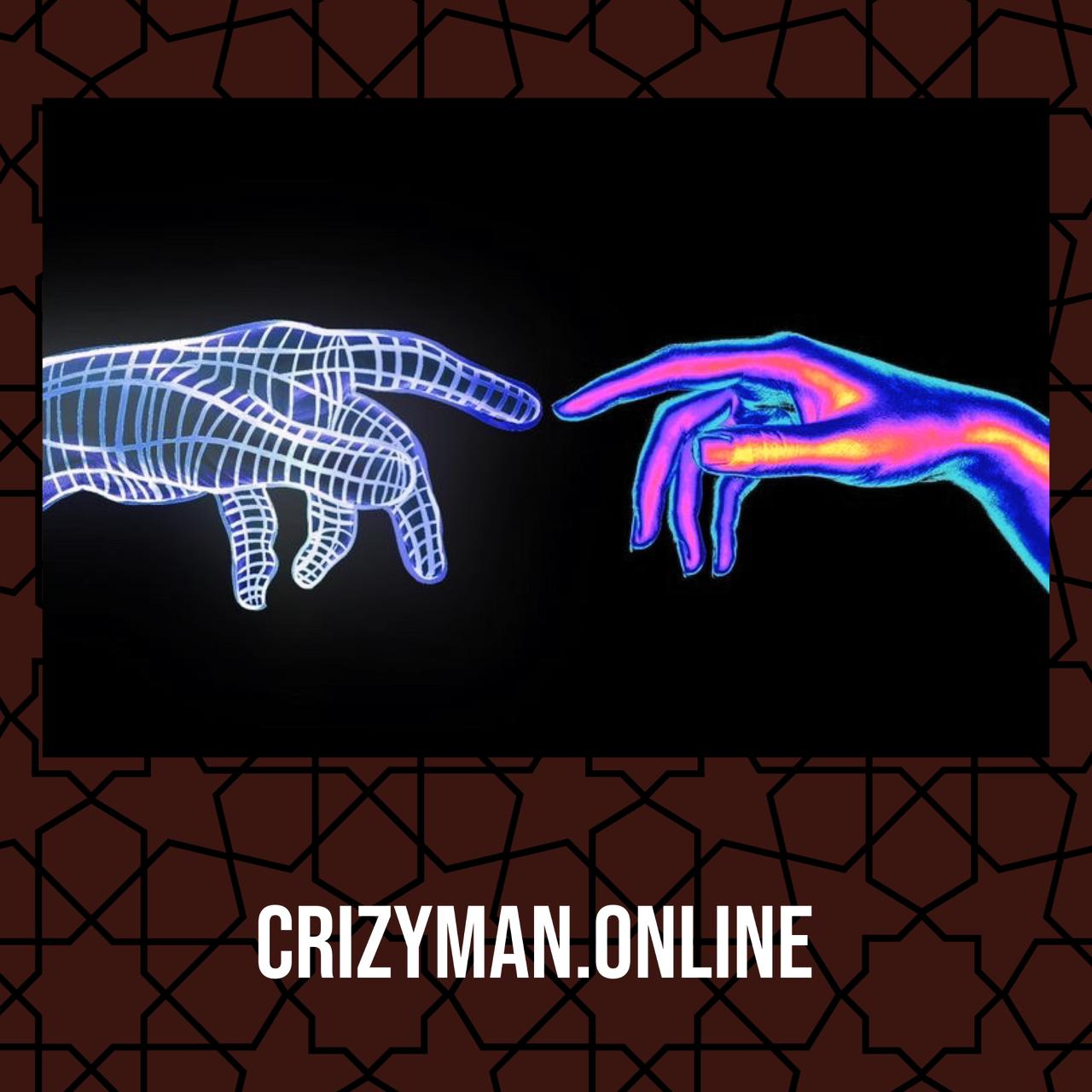
Artificial Intelligence (AI) is redefining the boundaries of creativity, raising profound questions about whether machines can truly create art. From music and visual arts to literature and design, AI systems are generating works that challenge traditional notions of authorship and artistic expression.
This article explores how AI is being used in creative domains, the technologies behind it, the philosophical questions it raises, and the future of AI-driven creativity.
Understanding AI in Creative Processes
AI in art and creativity is not just about replication; it involves learning patterns, generating novel outputs, and collaborating with humans.
Key AI Technologies
-
Generative Adversarial Networks (GANs): AI models that create realistic images, music, and videos
-
Natural Language Processing (NLP): AI tools that generate text, poetry, and scripts
-
Neural Style Transfer: AI applies artistic styles to images or videos
-
Music Composition Algorithms: AI systems create melodies and harmonies based on learned patterns
These technologies enable machines to produce outputs that mimic human creativity or explore entirely new artistic spaces.
AI in Visual Arts
AI is producing remarkable results in painting, illustration, and design.
Examples
-
DeepDream and StyleGAN: Generate surreal and realistic images
-
AI Portraits: Algorithms create lifelike portraits of fictional characters
-
Design Assistance: AI tools help artists experiment with color palettes, layouts, and textures
Impact: Artists can use AI to explore new styles, speed up production, and access inspiration previously unimaginable.
AI in Music and Sound
Music composition has become a fertile ground for AI creativity.
Applications
-
AI Composers: Systems like OpenAI’s MuseNet generate original compositions across genres
-
Sound Design: AI creates new instruments, soundscapes, and audio effects
-
Collaboration Tools: AI assists musicians in arranging, harmonizing, and remixing tracks
Example: AI-generated music has been used in commercials, films, and video games, demonstrating commercial and artistic viability.
AI in Literature and Writing
AI is transforming how text and stories are created.
Applications
-
Content Generation: AI writes articles, stories, poetry, and scripts
-
Editing Assistance: AI tools suggest grammar corrections, style improvements, and narrative enhancements
-
Creative Collaboration: Writers collaborate with AI to explore plot ideas and character development
Impact: AI democratizes creative writing, offering inspiration and productivity tools to both amateur and professional writers.
AI in Film and Animation
The film industry is adopting AI to streamline production and inspire storytelling.
Applications
-
Visual Effects (VFX): AI enhances rendering, compositing, and animation workflows
-
Script Analysis: AI predicts audience reactions and optimizes story pacing
-
Automated Editing: AI assists in scene selection, color grading, and sound mixing
Example: AI-driven animation tools allow creators to generate realistic characters and environments faster than traditional methods.
AI as a Creative Collaborator
AI is not simply a tool; it is increasingly a collaborative partner.
Human-AI Collaboration
-
Artists provide input and constraints; AI generates possibilities
-
Designers iterate with AI to explore new ideas quickly
-
Musicians co-create with AI systems to expand their sonic palette
Impact: Collaboration between humans and AI enhances creativity rather than replacing human ingenuity.
Philosophical and Ethical Considerations
AI-generated art raises important philosophical and ethical questions.
Key Questions
-
Can AI truly be creative? AI mimics patterns and generates novelty, but lacks consciousness or intent
-
Ownership and Copyright: Who owns AI-generated work—the programmer, the user, or the machine?
-
Cultural Implications: Will AI homogenize artistic styles, or promote diversity and experimentation?
-
Authenticity: How do we value art created by humans versus machines?
These considerations shape how societies and industries approach AI in creativity.
Commercial Applications of AI in Creativity
AI is not only redefining art but also generating economic opportunities.
Examples
-
Advertising: AI generates visual and audio content for campaigns
-
Gaming: AI designs characters, levels, and interactive narratives
-
E-commerce: AI creates product visuals, videos, and marketing content
-
Publishing: AI assists in book writing, editing, and cover design
AI-driven creativity accelerates production, reduces costs, and expands creative possibilities for businesses.
Challenges and Limitations
Despite its potential, AI creativity has limitations.
Key Challenges
-
Lack of Contextual Understanding: AI cannot fully comprehend culture, emotion, or social nuance
-
Dependence on Data: AI creativity is constrained by the data it learns from
-
Originality Concerns: Outputs may replicate existing styles rather than generate truly novel ideas
-
Ethical Risks: Misuse in deepfakes, plagiarism, and disinformation
Human oversight and ethical guidelines are crucial for responsible AI use in creative domains.
The Future of AI in Art and Creativity
AI’s role in creativity is evolving rapidly, suggesting exciting trends for the future.
Emerging Trends
-
Augmented Creativity: Humans and AI collaborating to push creative boundaries
-
AI-Generated Experiences: Interactive art, immersive VR/AR experiences powered by AI
-
Cross-Disciplinary Applications: AI combining music, visual arts, literature, and gaming
-
Education and Democratization: AI tools make creative expression accessible to a wider audience
AI is expanding the definition of creativity, challenging humans to rethink the role of imagination and expression.
Conclusion
Artificial Intelligence is transforming art and creativity, acting as both a tool and a collaborator. From music and visual arts to literature and film, AI enhances human creativity while raising questions about originality, ownership, and authenticity.
While machines may never possess consciousness or subjective intent, they push the boundaries of creative exploration, offering humans new ways to express ideas, innovate, and collaborate. The future of creativity lies in human-AI partnership, where technology amplifies imagination rather than replacing it.
