
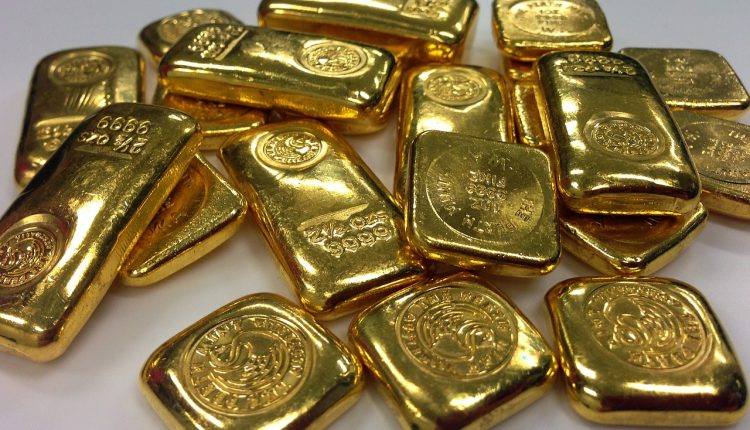

Gold has always been one of the most trusted investments in the world. Whether you are a beginner investor or someone looking to diversify a portfolio, gold remains a powerful asset because it holds value even when markets become unstable. Unlike stocks, which can rise and fall quickly, gold is often seen as a “safe haven” that protects wealth during uncertain times.
But one of the most common questions investors ask is: When is the best time to buy gold? While no one can predict the market with complete accuracy, there are strong patterns and signals that can help you spot opportunities. Understanding these indicators can make a major difference in how much profit you gain over time.
This guide will explain the best times to buy gold and how you can recognize market conditions that often lead to price increases.
Why Timing Matters When Buying Gold
Gold prices can move up and down depending on several global factors such as inflation, interest rates, currency strength, and political instability. Many people make the mistake of buying gold when prices are already high because they are reacting emotionally to the news.
Smart investors, however, buy gold when the market is calm and prices are relatively low. Timing does not mean trying to “catch the exact bottom,” but it does mean buying during periods when gold is undervalued or when major conditions suggest a rise is likely.
1. When Inflation Is Rising
One of the strongest signals for buying gold is rising inflation. Inflation reduces the purchasing power of money. When the cost of goods and services increases, currencies become weaker. Gold often becomes more valuable in these periods because it is considered a hedge against inflation.
For example, if inflation reports show steady increases over multiple months, many investors start moving money into gold. This demand pushes prices upward. Buying before inflation peaks can be a good opportunity, as gold often climbs as inflation fears grow.
How to spot it:
- Watch inflation reports like CPI (Consumer Price Index)
- Track food, fuel, and housing costs rising steadily
- Monitor news about economic stimulus or increased government spending
2. When Interest Rates Start Falling
Interest rates play a major role in gold pricing. When central banks raise interest rates, investors often prefer saving accounts, bonds, and other interest-based investments. That reduces demand for gold, which does not produce interest.
However, when interest rates start to fall, gold becomes more attractive. Lower rates mean weaker returns from bonds and savings accounts, pushing investors toward gold.
This makes the period right before or during interest rate cuts one of the best times to buy gold.
How to spot it:
- Follow central bank announcements (like the Federal Reserve)
- Watch financial news for discussions of “rate cuts”
- Observe when bond yields start dropping
3. During Stock Market Uncertainty or Crashes
Gold often rises when the stock market is unstable. During major crashes, investors lose confidence in stocks and look for safer assets. This is why gold is sometimes called a “crisis commodity.”
When markets become volatile, gold tends to increase because investors rush to protect their wealth. While prices can rise quickly during these moments, buying gold early—when the first signs of market instability appear—can be a smart move.
How to spot it:
- Stock markets dropping sharply over several days
- Fear-driven headlines about recession
- High volatility indexes (like the VIX)
4. When the US Dollar Weakens
Gold is usually priced in US dollars, which creates a strong relationship between the two. When the dollar becomes weaker, gold often rises. This happens because it takes more dollars to buy the same amount of gold.
If the dollar is losing value due to economic concerns or heavy government debt, gold may become more attractive worldwide, increasing global demand.
How to spot it:
- Track the US Dollar Index (DXY)
- Watch currency exchange trends
- Pay attention to global trade issues affecting the dollar
5. During Geopolitical Tensions
War, political instability, global conflict, and international tension often cause investors to panic. When uncertainty rises, gold demand increases because it is seen as a stable store of value.
Historically, gold prices have jumped during major global events such as wars, economic sanctions, and political crises. The key is not to wait until the crisis becomes extreme, but to buy when tension begins building.
How to spot it:
- Rising conflict between major nations
- Threats of war or sanctions
- Oil prices rising due to global instability
6. Seasonal Patterns: When Gold Prices Tend to Dip
Gold prices sometimes follow seasonal trends. Certain times of the year see higher demand, especially during wedding seasons and major festivals in countries like India and China, where gold jewelry purchases are extremely common.
In many cases, gold prices may dip after high-demand seasons end, creating an opportunity for buyers.
Best seasonal opportunities:
- Early summer (after spring demand)
- After major holiday buying periods
- Late winter in some markets
Seasonal trends are not guaranteed, but they can be useful when combined with other market signals.
7. When Gold Prices Pull Back After a Big Rally
Gold often rises quickly during periods of panic or major economic change. After a strong rally, prices may correct downward as investors take profits. This correction can be one of the best times to buy, especially if long-term conditions still support higher gold prices.
Many experienced investors wait for these pullbacks rather than buying at peak excitement.
How to spot it:
- Gold hitting a new high then falling 5–10%
- Reduced news hype after a gold rally
- Market sentiment shifting temporarily away from gold
How to Spot a Real Buying Opportunity
Buying gold at the right time is not about guessing—it is about reading market signals. Here are some practical strategies investors use.
Use Technical Analysis
Technical analysis involves studying gold price charts. Important signals include:
- Support levels (where gold often stops falling)
- Resistance levels (where gold often stops rising)
- Moving averages (to identify long-term trends)
When gold drops near strong support levels, it may be a good buying opportunity.
Watch Investor Sentiment
When gold is not popular in the media, prices are often lower. Ironically, the best time to buy is usually when most people are not talking about gold.
When headlines are screaming “Gold is skyrocketing,” the market may already be overpriced.
Diversify and Buy Gradually
A smart strategy is to buy gold gradually using a method called dollar-cost averaging. Instead of investing all your money at once, you invest small amounts regularly. This reduces the risk of buying at the wrong time.
Common Mistakes to Avoid When Buying Gold
Many investors lose money not because gold is a bad investment, but because they buy at the wrong time or make emotional decisions.
Avoid these mistakes:
- Buying gold only because of fear
- Waiting too long and missing the opportunity
- Investing all your money at once
- Ignoring global economic indicators
- Paying high premiums on gold coins or jewelry
Gold is best used as part of a balanced investment strategy, not as a quick get-rich plan.
Conclusion: The Best Time to Buy Gold Is When Others Are Hesitating
The best times to buy gold often appear during quiet moments, not during hype. Strong opportunities usually happen when inflation rises, interest rates fall, stock markets become unstable, or geopolitical tensions increase. Seasonal patterns and price corrections can also provide excellent entry points.
