

Introduction
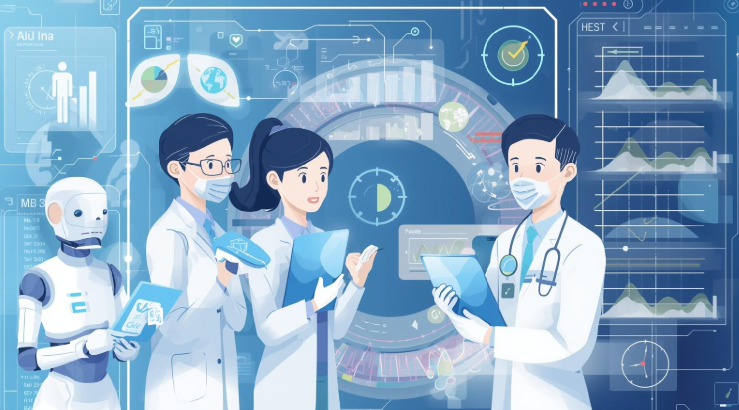
Smart technologies, including Artificial Intelligence (AI), Internet of Things (IoT), wearable devices, and big data analytics, are revolutionizing healthcare and disease management. These innovations enhance diagnosis, treatment, patient monitoring, and preventive care, paving the way for more efficient, accurate, and personalized healthcare systems.
This article explores how smart technologies contribute to healthcare improvements, the benefits they offer, challenges, and future trends shaping disease management globally.
Smart Technologies in Healthcare
Healthcare is increasingly driven by data and connectivity, allowing smart technologies to deliver better patient outcomes.
Key Technologies
-
Artificial Intelligence (AI): Assists in diagnosis, treatment planning, predictive analytics, and patient monitoring
-
Internet of Medical Things (IoMT): Connected medical devices monitor patient health in real-time
-
Wearable Devices: Track vital signs, physical activity, and chronic conditions
-
Big Data Analytics: Aggregates and analyzes massive datasets to detect patterns, predict outbreaks, and optimize healthcare delivery
Impact: These technologies enable faster, more precise, and proactive healthcare services.
Enhancing Diagnosis and Treatment
Smart technologies improve accuracy, speed, and personalization in diagnosis and treatment.
AI in Diagnostics
-
AI algorithms analyze medical images, lab results, and patient histories
-
Early detection of diseases like cancer, cardiovascular conditions, and neurological disorders
-
Predictive models identify patients at risk before symptoms appear
Personalized Treatment
-
AI tailors treatment plans based on genetics, lifestyle, and patient data
-
Smart devices monitor therapy adherence and response
-
Precision medicine ensures effective, individualized healthcare
Example: IBM Watson Health uses AI to analyze complex medical data, supporting oncologists in cancer treatment decisions.
Remote Patient Monitoring
Smart devices and IoMT enable continuous monitoring outside healthcare facilities.
Applications
-
Wearables: Track heart rate, glucose levels, sleep patterns, and blood pressure
-
Connected Devices: Smart inhalers, insulin pumps, and cardiac monitors provide real-time data to healthcare providers
-
Telemedicine Integration: Remote consultations combined with data-driven insights improve patient care
Impact: Reduced hospital visits, timely interventions, and better chronic disease management.
Disease Management and Prevention
Smart technologies are transforming preventive care and chronic disease management.
Key Strategies
-
Predictive Analytics: AI forecasts disease progression and potential outbreaks
-
Health Apps: Encourage lifestyle changes, medication adherence, and self-monitoring
-
Early Alerts: Connected devices notify patients and doctors of abnormalities
-
Population Health Management: Big data identifies at-risk groups and informs public health strategies
Impact: Improved prevention, early intervention, and reduced disease burden on healthcare systems.
Enhancing Surgical Precision
Robotic-assisted surgeries and AI-driven tools increase accuracy, reduce risks, and enhance recovery.
Applications
-
Robotic Surgery: Provides minimally invasive procedures with precision beyond human capabilities
-
AI-Enhanced Imaging: Guides surgeons during operations with real-time insights
-
Outcome Prediction: AI evaluates patient data to anticipate complications
Example: The Da Vinci Surgical System integrates robotics and AI to improve surgical outcomes.
Streamlining Healthcare Administration
Smart technologies improve efficiency in hospital operations and resource management.
Applications
-
Electronic Health Records (EHRs): Centralized, AI-powered systems reduce errors and streamline workflows
-
Appointment Scheduling: AI optimizes patient flow and reduces wait times
-
Supply Chain Management: Smart inventory systems ensure availability of medications and equipment
-
Operational Analytics: AI predicts hospital demand, staffing needs, and resource allocation
Impact: Lower costs, reduced administrative burden, and more focused patient care.
Addressing Public Health Challenges
Smart technologies play a crucial role in managing epidemics, pandemics, and large-scale health crises.
Applications
-
AI in Epidemiology: Predicts outbreaks, tracks disease spread, and models intervention outcomes
-
Mobile Health Platforms: Enable population-level health monitoring and education
-
Big Data Surveillance: Identifies patterns and hotspots for timely response
-
Predictive Models: Inform policy decisions and resource deployment
Example: During the COVID-19 pandemic, AI models helped predict case surges and optimize healthcare resource allocation.
Ethical and Practical Considerations
The adoption of smart healthcare technologies raises ethical, privacy, and implementation challenges.
Key Concerns
-
Data Privacy and Security: Protecting sensitive patient information is critical
-
Bias in AI: Algorithms must be trained on diverse datasets to ensure fairness
-
Accessibility: Ensuring all populations benefit from smart healthcare solutions
-
Accountability: Clear guidelines for AI-assisted medical decisions are necessary
Impact: Addressing these concerns ensures safe, equitable, and ethical healthcare innovation.
Future Trends in Smart Healthcare
The next decade promises even more advanced and integrated healthcare solutions.
Emerging Trends
-
AI-Driven Predictive Medicine: Identifying health risks before symptoms appear
-
Integrated IoMT Networks: Seamless data exchange between devices, providers, and patients
-
Remote and Virtual Care Expansion: Greater reliance on telemedicine and digital health solutions
-
Personalized Genomic Medicine: AI uses genetic information for tailored treatments
-
Sustainable Healthcare Technology: Energy-efficient devices and eco-conscious healthcare infrastructure
Impact: These trends will make healthcare more proactive, precise, and patient-centered.
Conclusion
Smart technologies are transforming healthcare and disease management, offering enhanced diagnostics, personalized treatments, continuous monitoring, and improved administrative efficiency. By integrating AI, IoMT, wearables, and big data analytics, healthcare systems can provide more effective, efficient, and patient-focused care.
While challenges related to ethics, data privacy, and accessibility remain, responsible adoption of smart technologies ensures that the future of healthcare is proactive, precise, and globally accessible. The next decade promises a healthcare ecosystem where technology and human expertise work together to improve outcomes and save lives.
