

Introduction
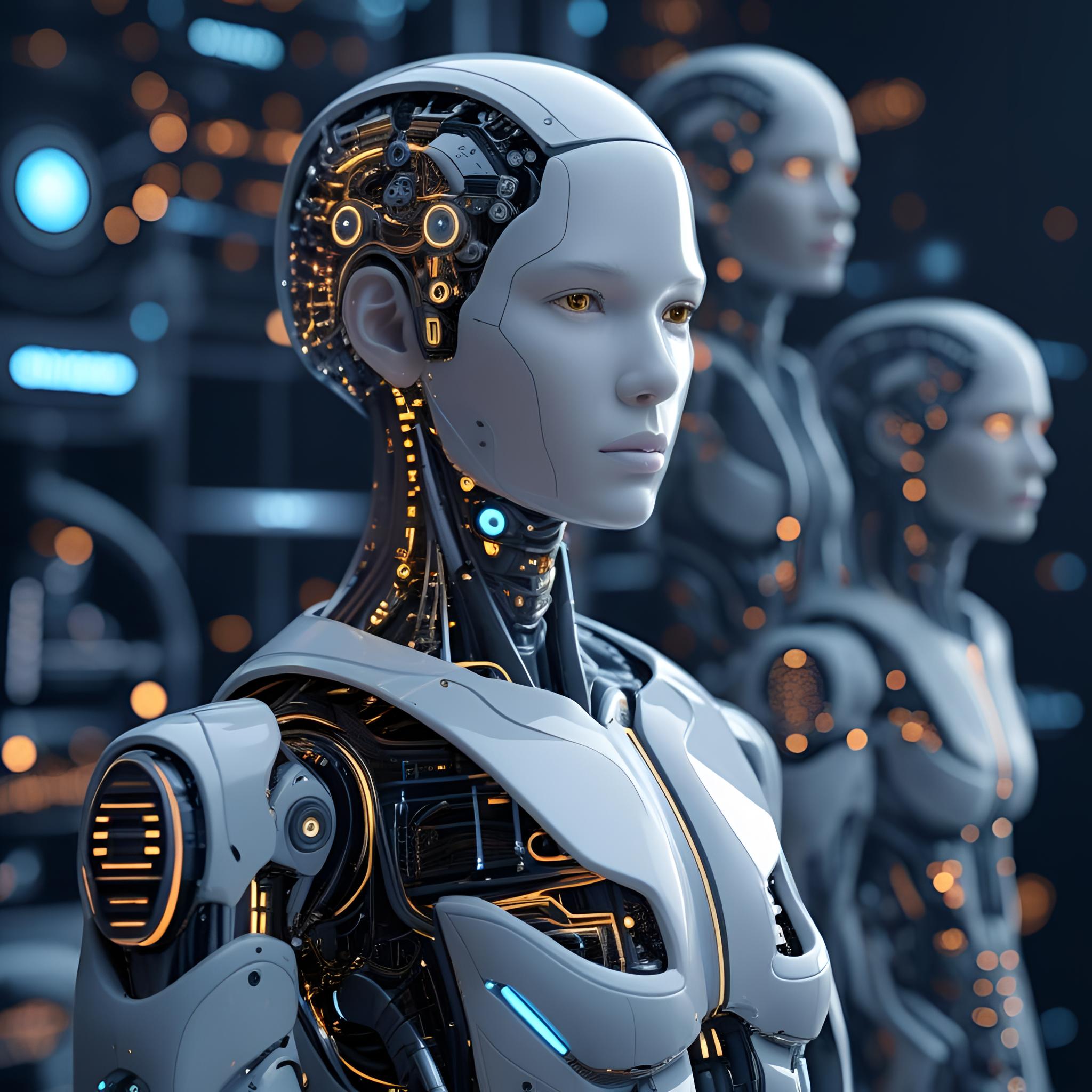
Artificial Intelligence (AI) is no longer a distant concept reserved for science fiction or academic research. It has become a transformative force shaping nearly every aspect of modern life. From healthcare and finance to education and entertainment, AI technologies are redefining how humans work, communicate, and make decisions.
This rapid evolution raises a fundamental question: Is artificial intelligence a revolutionary opportunity for humanity, or does it pose serious risks that could threaten our future?
In this in-depth article, we explore the dual nature of AI—its immense potential and the challenges it presents—while examining how it may redefine the future of humanity.
What Is Artificial Intelligence?
Artificial Intelligence refers to computer systems designed to perform tasks that typically require human intelligence. These tasks include learning, reasoning, problem-solving, language understanding, and perception.
Modern AI systems are primarily driven by:
-
Machine Learning (ML) – algorithms that learn from data
-
Deep Learning – neural networks inspired by the human brain
-
Natural Language Processing (NLP) – enabling machines to understand and generate human language
-
Computer Vision – allowing machines to interpret visual data
Unlike traditional software, AI systems can adapt, improve, and make predictions based on patterns found in massive datasets.
AI as a Technological Revolution
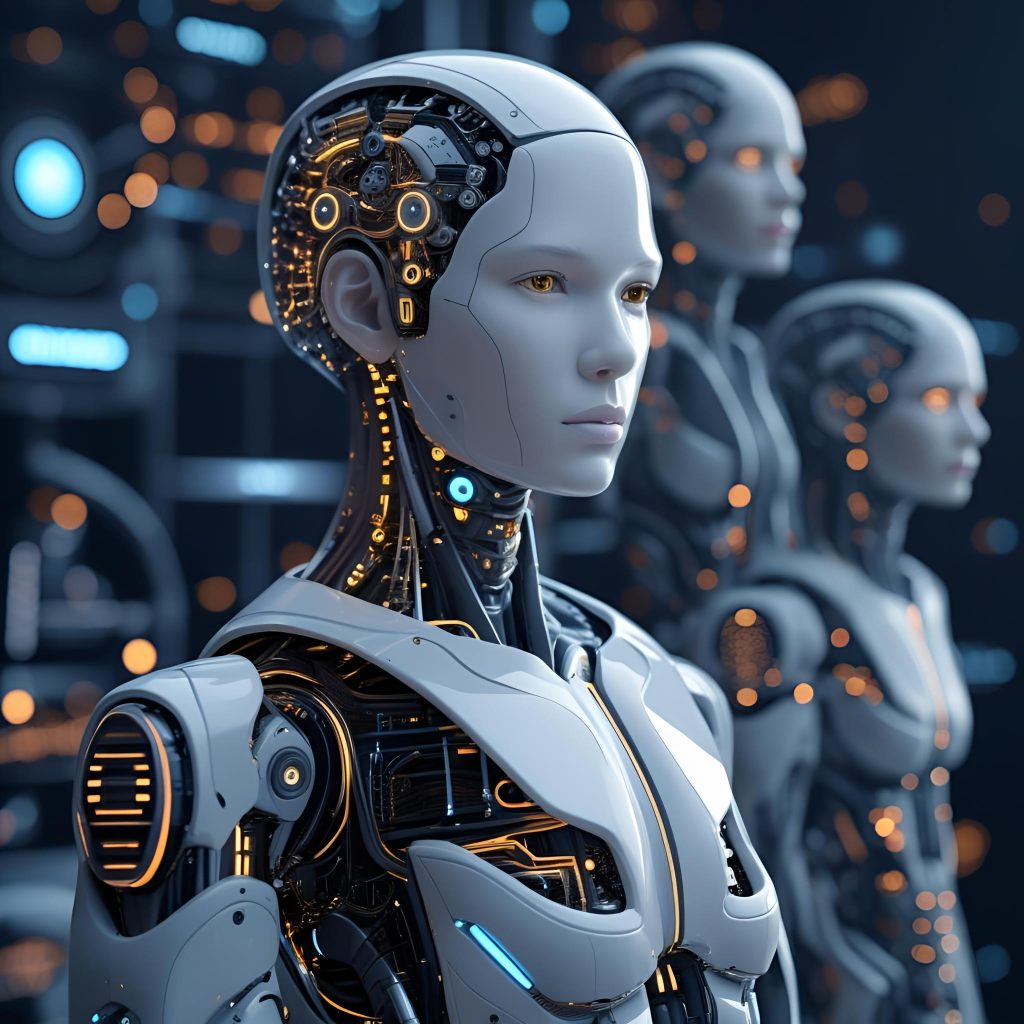
Artificial intelligence represents one of the most significant technological revolutions in human history, comparable to the Industrial Revolution or the rise of the internet.
1. Productivity and Efficiency
AI-driven automation is dramatically increasing productivity across industries. Repetitive and time-consuming tasks can now be completed faster and with greater accuracy, allowing humans to focus on creative and strategic work.
Examples include:
-
Automated data analysis in finance
-
AI-assisted diagnostics in healthcare
-
Smart manufacturing systems in industry
2. Innovation and New Opportunities
AI is not only automating existing jobs but also creating entirely new fields and career paths, such as:
-
AI engineering
-
Data science
-
AI ethics and governance
-
Prompt engineering and model training
This innovation-driven growth has the potential to significantly boost global economic development.
AI in Everyday Life
Many people use artificial intelligence daily without realizing it. AI is embedded in countless digital services and consumer products.
Common Applications of AI
-
Search engines that deliver personalized results
-
Recommendation systems on streaming and e-commerce platforms
-
Virtual assistants such as voice-controlled smart devices
-
Fraud detection systems used by banks
-
Navigation apps that optimize routes in real time
These applications demonstrate how deeply AI has integrated into modern life, improving convenience and efficiency.
The Impact of AI on the Job Market
One of the most debated aspects of artificial intelligence is its effect on employment.
Job Displacement Concerns
AI-powered automation threatens certain types of jobs, particularly those involving:
-
Repetitive manual tasks
-
Routine data processing
-
Predictable workflows
Industries such as manufacturing, customer service, and transportation are experiencing rapid changes due to automation.
Job Creation and Transformation
At the same time, AI is transforming existing roles and creating new opportunities. Jobs that require creativity, emotional intelligence, critical thinking, and complex problem-solving remain difficult to automate.
The future workforce will likely require:
-
Digital literacy
-
Continuous learning
-
Adaptability to new technologies
Ethical Challenges of Artificial Intelligence
As AI systems become more powerful, ethical concerns are becoming increasingly important.
Bias and Fairness
AI systems learn from data, and biased data can lead to biased outcomes. This raises concerns in areas such as:
-
Hiring processes
-
Credit scoring
-
Law enforcement technologies
Ensuring fairness and transparency in AI decision-making is a critical challenge.
Privacy and Surveillance
AI-driven data collection can pose risks to personal privacy. Facial recognition, behavioral tracking, and predictive analytics raise questions about surveillance and data misuse.
Strong regulations and responsible data practices are essential to protect individual rights.
AI and Human Creativity
Contrary to the belief that AI will replace creativity, artificial intelligence is increasingly becoming a tool that enhances human creativity.
AI in Art and Content Creation
AI is now used in:
-
Music composition
-
Digital art generation
-
Writing assistance
-
Video editing and animation
Rather than replacing human creators, AI often acts as a collaborative tool that expands creative possibilities.
Risks of Uncontrolled AI Development
While AI offers enormous benefits, uncontrolled development could lead to serious risks.
Over-Reliance on AI
Excessive dependence on automated systems may reduce human decision-making skills and critical thinking.
Autonomous Systems and Safety
AI-powered autonomous systems, such as self-driving vehicles or autonomous weapons, raise concerns about safety, accountability, and unintended consequences.
Ensuring proper oversight and human control remains essential.
AI Governance and Regulation
Governments and organizations worldwide are working to establish frameworks for responsible AI development.
Key areas of focus include:
-
Ethical guidelines
-
Transparency requirements
-
Accountability mechanisms
-
International cooperation
Balanced regulation can help maximize the benefits of AI while minimizing risks.
The Future of Humanity in the Age of AI
Artificial intelligence will continue to evolve and influence humanity in profound ways.
Possible Future Scenarios
-
Human-AI collaboration becoming the standard in most professions
-
Personalized education powered by adaptive learning systems
-
Medical breakthroughs through AI-driven research
-
Smarter cities with optimized energy and transportation systems
The future will largely depend on how responsibly AI technologies are developed and deployed.
How Humans Can Adapt and Thrive
To thrive in an AI-driven world, individuals and societies must focus on:
-
Lifelong learning and upskilling
-
Ethical awareness and digital responsibility
-
Collaboration between humans and intelligent systems
-
Encouraging innovation while maintaining human values
AI should be viewed as a tool that amplifies human potential rather than a force that replaces it.
Conclusion
Artificial intelligence stands at the intersection of opportunity and risk. It has the power to revolutionize industries, enhance quality of life, and solve complex global challenges. At the same time, it raises serious ethical, economic, and social questions that cannot be ignored.
The future of humanity in the age of AI will not be determined by technology alone, but by the choices humans make today. With responsible development, ethical oversight, and a commitment to human-centered innovation, artificial intelligence can become one of the greatest allies humanity has ever known.
