

Introduction
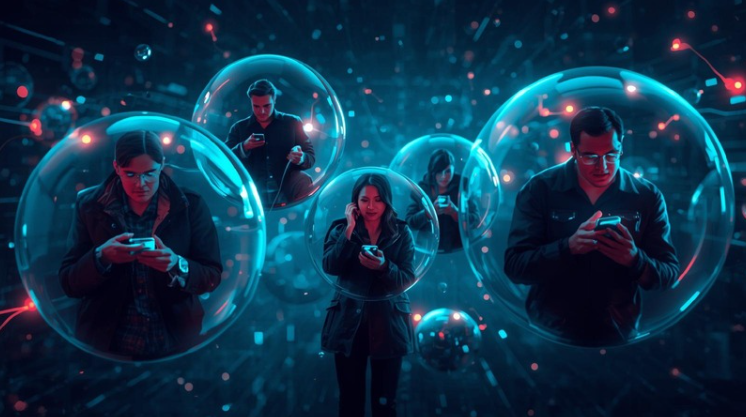
Mobile technology has revolutionized the way humans communicate and interact socially. Smartphones, tablets, and portable devices have enabled instant messaging, social media, video calls, and collaborative platforms, fundamentally changing social dynamics.
This article explores how mobile technology affects communication, the positive and negative implications, emerging trends, and strategies for healthy digital social interactions.
The Rise of Mobile Communication
Mobile devices have shifted communication from traditional, face-to-face interactions to digital and instant exchanges.
Key Features
-
Instant Messaging: Platforms like WhatsApp, Telegram, and Messenger facilitate real-time text communication
-
Social Media: Mobile apps like Instagram, Facebook, and TikTok enable global social networking
-
Video Calls: Zoom, Google Meet, and FaceTime support visual and verbal communication
-
Push Notifications: Instant alerts ensure timely responses and engagement
Impact: Mobile technology makes communication faster, more accessible, and geographically unrestricted.
Positive Impacts on Social Interaction
Mobile technology offers significant benefits for social connectivity.
1. Global Connectivity
-
People maintain relationships across continents
-
Families and friends stay connected despite physical distance
2. Instant Collaboration
-
AI-driven apps enable seamless teamwork for work, school, and projects
-
Real-time collaboration tools increase productivity and engagement
3. Social Awareness and Engagement
-
Mobile platforms amplify social causes, news, and awareness campaigns
-
Users can participate in global discussions and community activities
4. Accessibility and Inclusion
-
Mobile communication supports individuals with disabilities
-
Text-to-speech, speech-to-text, and translation tools facilitate interaction
Impact: Mobile technology fosters social inclusion, strengthens relationships, and encourages collaborative efforts.
Negative Impacts on Human Communication
Despite its advantages, mobile technology can also negatively affect social skills and interactions.
Key Concerns
-
Reduced Face-to-Face Interaction: Overreliance on digital communication may weaken personal connections
-
Superficial Relationships: Social media often prioritizes quantity of connections over quality
-
Attention Disruption: Constant notifications and multitasking reduce focus in conversations
-
Cyberbullying and Online Harassment: Mobile platforms can expose users to harmful interactions
Impact: Awareness of these risks is critical to maintaining healthy social communication.
The Role of AI in Mobile Communication
Artificial Intelligence enhances mobile communication by improving efficiency, personalization, and engagement.
Applications
-
Smart Replies: AI predicts responses to speed up messaging
-
Content Moderation: AI filters harmful or inappropriate messages
-
Sentiment Analysis: AI detects tone, emotion, and intent in conversations
-
Language Translation: AI-powered tools break down language barriers for global communication
Example: Gmail’s Smart Reply and Google Translate enable faster, more effective, and inclusive communication.
Mobile Technology in Professional Communication
Mobile devices have transformed the workplace by facilitating remote communication and collaboration.
Applications
-
Unified Communication Platforms: Slack, Microsoft Teams, and Zoom enable seamless remote teamwork
-
Project Management: AI-driven apps track tasks, deadlines, and collaboration efficiency
-
Instant Feedback: Employees receive real-time updates and guidance
-
Remote Work Enablement: Mobile devices support distributed teams and flexible work arrangements
Impact: Enhanced communication and productivity reshape modern professional environments.
Effects on Mental Health and Social Skills
Mobile technology affects not just communication but also psychological well-being.
Key Implications
-
Digital Fatigue: Excessive screen time can cause stress, anxiety, and burnout
-
Social Comparison: Constant exposure to curated online lives affects self-esteem
-
Reduced Empathy: Overreliance on text-based communication may limit emotional intelligence
-
Over-Connectivity: Difficulty disconnecting can reduce personal reflection and offline interaction
Strategies: Encourage balanced mobile use, digital detoxes, and mindful engagement to maintain healthy social and emotional development.
Trends in Mobile Social Interaction
The next decade will introduce innovations that reshape human communication.
Emerging Trends
-
AI-Powered Social Platforms: Enhanced personalization, smarter content feeds, and emotion recognition
-
Augmented Reality (AR) Communication: Immersive interactions through virtual spaces
-
Voice and Gesture Interfaces: Reducing dependency on typing and enhancing natural communication
-
Global Collaboration Tools: Mobile platforms that integrate multilingual, cross-cultural collaboration
Impact: These trends will make social interaction more intuitive, immersive, and globally connected.
Strategies for Healthy Mobile Communication
To balance benefits and risks, users and organizations can adopt best practices.
Key Recommendations
-
Digital Literacy Education: Teach responsible, mindful communication
-
Screen Time Management: Limit excessive use to prevent fatigue
-
Privacy Awareness: Protect personal information on mobile platforms
-
Encourage Offline Interaction: Combine digital and in-person communication to maintain relational depth
-
Leverage AI Responsibly: Use AI tools for efficiency without replacing human judgment
Impact: Healthy mobile usage enhances communication skills, well-being, and social cohesion.
Conclusion
Mobile technology has fundamentally transformed human communication, enabling instant, global, and collaborative interactions. While it offers unprecedented connectivity, personalization, and efficiency, challenges like reduced face-to-face interaction, digital fatigue, and social comparison must be addressed.
By leveraging AI responsibly, promoting digital literacy, and maintaining balance, mobile technology can enhance both user performance and social experiences, creating richer, more meaningful interactions in an increasingly digital world.
