
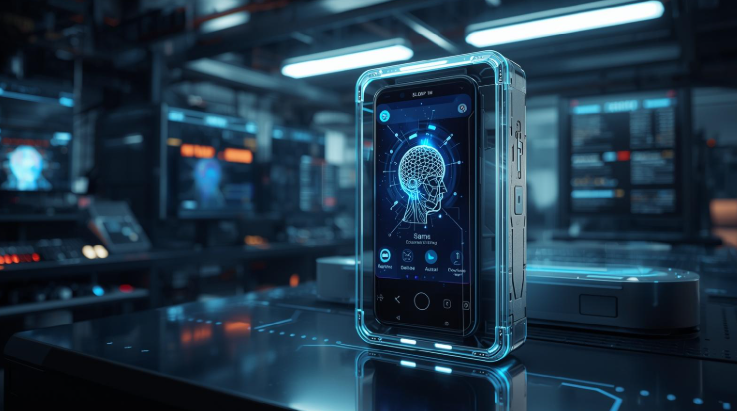
The Future of Smartphones: Predictions for Upcoming Advancements in Design and Performance

Introduction
Smartphones have become an essential part of modern life, influencing communication, entertainment, productivity, and social interaction. As technology rapidly evolves, the next decade promises transformative advancements in smartphone design, performance, and functionality.
This article explores predictions for the future of smartphones, focusing on innovative designs, AI integration, enhanced performance, sustainability, and user-centric features.
Evolution of Smartphones: A Brief Overview
Since their inception, smartphones have undergone dramatic transformations.
Key Milestones
-
Early Smartphones: Focused on basic communication and mobile computing
-
Touchscreen Revolution: Introduced intuitive interaction and multimedia capabilities
-
Mobile Internet Era: Enabled apps, social media, and streaming
-
AI Integration: Personalized experiences, virtual assistants, and smart recommendations
Impact: Each evolution phase has increased smartphone utility, efficiency, and user engagement, setting the stage for future innovation.
Predictions for Future Smartphone Designs
Smartphone design will prioritize aesthetic appeal, ergonomics, durability, and sustainability.
1. Foldable and Flexible Displays
-
Flexible OLED and microLED screens allow foldable phones
-
Devices may transform between phone, tablet, and wearable form factors
-
Enhanced durability with scratch-resistant and shatterproof materials
2. Minimalist and Seamless Designs
-
Edge-to-edge displays with no visible bezels
-
Under-display cameras and sensors for cleaner aesthetics
-
Thinner, lighter, and more compact devices without sacrificing battery life
3. Eco-Friendly Materials
-
Recycled metals, biodegradable plastics, and sustainable packaging
-
Modular designs enabling repair, upgrade, and component replacement
Impact: Future smartphones will be visually striking, environmentally responsible, and highly adaptable.
Advancements in Performance
Performance improvements will focus on speed, efficiency, multitasking, and AI-powered capabilities.
Key Predictions
-
Next-Gen Processors: More efficient, faster, and optimized for AI workloads
-
Enhanced Graphics and Gaming: Powerful GPUs for immersive AR/VR experiences
-
High-Speed Connectivity: 6G networks enabling real-time streaming and ultra-low latency
-
Battery and Charging Innovations: Longer-lasting batteries, fast wireless charging, and energy-harvesting technologies
Example: Future smartphones could last multiple days on a single charge while supporting resource-intensive applications.
AI and Machine Learning Integration
Artificial Intelligence will become even more embedded, driving smarter user experiences.
Applications
-
Predictive Assistance: Anticipates user needs and automates routine tasks
-
Adaptive Interfaces: UI changes based on user behavior and preferences
-
Intelligent Photography: AI enhances image processing, scene recognition, and video editing
-
Health and Wellness Monitoring: AI tracks activity, sleep, and biometrics for proactive health management
Impact: AI transforms smartphones into intelligent companions, enhancing productivity and personalization.
Enhanced Camera Technology
Smartphone cameras will continue to advance in quality, versatility, and computational photography.
Innovations
-
Multi-Lens Arrays: Offer wide-angle, telephoto, macro, and periscope zoom capabilities
-
AI-Powered Image Processing: Automatic scene detection, real-time editing, and noise reduction
-
3D Sensing and AR Capabilities: Enables augmented reality experiences and depth mapping
-
Professional-Grade Video: 8K resolution, high frame rates, and cinematic effects
Impact: Photography and videography on smartphones will rival professional equipment, accessible to all users.
Connectivity and IoT Integration
Future smartphones will serve as central hubs for smart ecosystems.
Key Features
-
Seamless Device Integration: Connect and control smart home, wearables, and vehicles
-
5G/6G Networks: Ultra-fast, low-latency connectivity for streaming, gaming, and communication
-
Edge Computing: Processing data locally for faster AI response and improved privacy
-
Interoperable Platforms: Unified experiences across devices and applications
Impact: Smartphones will become the core of connected digital ecosystems, enhancing convenience and functionality.
Security and Privacy Enhancements
As smartphones handle more sensitive data, security will be paramount.
Innovations
-
Advanced Biometric Authentication: Face, iris, fingerprint, and behavioral biometrics
-
On-Device AI Security: Real-time threat detection and malware prevention
-
Encrypted Communications: End-to-end encryption and secure data storage
-
Privacy-Centric Design: User control over data collection, sharing, and personalization
Impact: Users will enjoy robust security and privacy without compromising functionality.
Sustainability and Longevity
Sustainable practices will become integral to smartphone development.
Approaches
-
Modular Components: Easily replaceable batteries, cameras, and processors
-
Recycling Programs: Incentives for trade-ins and responsible disposal
-
Eco-Friendly Manufacturing: Reduced carbon footprint, renewable energy usage, and less hazardous materials
-
Durable Designs: Water-resistant, shockproof, and long-lasting materials
Impact: Smartphones will be environmentally responsible while maintaining performance and usability.
Future User Experience
The next-generation user experience will be immersive, intuitive, and adaptive.
Key Features
-
Voice, Gesture, and Haptic Interaction: Reduce dependency on touchscreens
-
Augmented Reality (AR) Integration: Seamless navigation, gaming, and education applications
-
Smart Personalization: AI anticipates preferences, adjusts settings, and recommends content
-
Contextual Awareness: Devices adapt to location, environment, and user behavior
Impact: Smartphones will provide frictionless, highly personalized, and immersive experiences.
Conclusion
The future of smartphones promises transformative advancements in design, performance, and functionality. From foldable, eco-friendly devices to AI-driven personalization, enhanced cameras, and seamless IoT integration, smartphones will continue to evolve as essential tools for communication, productivity, and lifestyle enhancement.
By prioritizing innovation, sustainability, and user-centric design, manufacturers can deliver devices that not only meet but exceed user expectations, shaping the next decade of mobile technology.
